Food
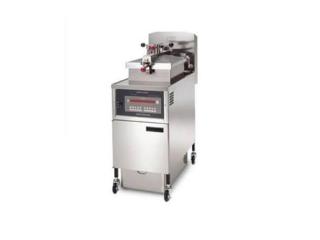
A reliable commercial fryer is essential for delivering consistent food quality in any professional kitchen. Among the industry's leading brands, the Henny Penny fryer has earned a strong reputation for durability, efficiency, and innovative cooking technology. From quick-service restaurants to high-volume food chains, these fryers help businesses produce crispy, delicious food while reducing operating costs. In this guide, we'll explore the features, benefits, popular models, and key factors to consider before investing in a Henny Penny fryer. What Is a Henny Penny Fryer? A Henny Penny fryer is a commercial-grade frying system designed for restaurants, hotels, supermarkets, and institutional kitchens. Available in both pressure and open fryer configurations, these fryers are built to deliver consistent cooking performance while maximizing oil life and minimizing downtime. Their advanced controls and durable construction make them a preferred choice for businesses that rely on high-volume frying. Key Features of a Henny Penny Fryer 1. Precise Temperature Control Henny Penny fryers use advanced digital controllers to maintain accurate oil temperatures, ensuring food cooks evenly every time. 2. Fast Recovery Time The heating system quickly restores the oil temperature after each batch, allowing continuous cooking during busy service hours. 3. Oil-Saving Technology Efficient heat transfer and optional filtration systems help extend oil life, reducing operating costs over time. 4. Heavy-Duty Stainless Steel Construction Built for commercial environments, Henny Penny fryers are made with durable stainless steel that withstands daily use while remaining easy to clean. 5. User-Friendly Controls Modern control panels simplify programming, cooking cycles, and temperature adjustments, making operation easier for kitchen staff. Benefits of Using a Henny Penny Fryer Restaurants invest in a Henny Penny fryer because it offers more than just reliable frying performance. Some key benefits include: Consistent food quality Faster cooking cycles Improved kitchen productivity Lower oil consumption Reduced energy costs Easy cleaning and maintenance Long service life Dependable commercial performance These advantages make it a valuable investment for businesses focused on quality and efficiency.


