



Turn Simple AI Image...
Everything Else
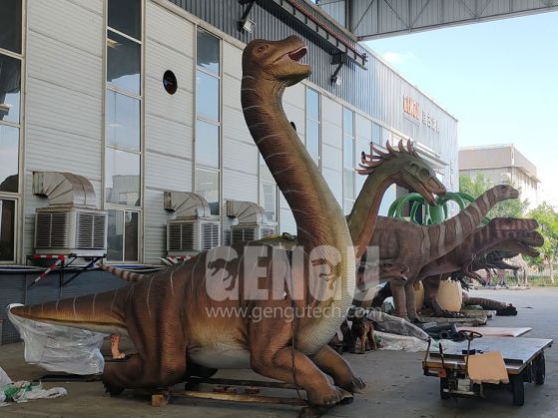
When it comes to bringing an engaging, prehistoric touch to events, Animatronic Dinosaurs have become the go-to choice for various industries. As an Animatronic Dinosaurs Supplier, Gengu has received numerous inquiries regarding whether renting or purchasing these lifelike models is the more cost-effective option. Common questions from users include: "What are the upfront costs?" "How does maintenance affect overall expenses?" and "In what scenarios would one option be more beneficial than the other?" Understanding the pain points of event organizers, educators, and attraction owners helps in reconstructing the best selling points of both choices, ensuring that each option meets a specific user's needs.
Parameter Comparison: Rental vs Purchase of Animatronic Dinosaurs
| Parameter | Rental | Purchase |
|---|---|---|
| Initial Cost | $500-$2,000 for events | $10,000-$50,000 on average |
| Maintenance Cost | Included in rental fee | $1,000/year |
| Usage Flexibility | Limited by rental duration | Unlimited |
| Storage Needs | No obligation | Requires dedicated space |
Scenario Adaptation Comparison: Rental vs Purchase of Animatronic Dinosaurs
To understand which option might be better for a specific scenario, consider the following examples:
Scenario 1: Seasonal Events
For a seasonal event, such as a Halloween festival that runs for a month, renting makes the most sense. For an investment of approximately $1,000 to $2,000, you can have a high-impact animatronic dinosaur for four weeks. Many festival organizers have shared stories, like 'We increased our ticket sales by approximately 30% with the addition of a T-Rex,' highlighting the financial benefits of rental during peak times.
Scenario 2: Ongoing Educational Programs
In contrast, for educational programs focused on long-term learning, purchasing can be more advantageous. A local museum purchased a realistic Velociraptor for $25,000, resulting in an increase in visitor numbers by 25% and a return on investment within two years due to ticket sales. The director notes, 'We confidently display the dinosaur as part of our permanent exhibit, attracting families year-round.'
Price Analysis of Animatronic Dinosaurs
The **total cost of ownership** for purchasing an animatronic dinosaur includes the initial price, annual maintenance, potential repair costs, and the cost of storage. Over a 5-year span, renting can cost between $10,000 to $50,000, while purchasing, despite the higher initial outlay, can yield lower overall costs if used frequently. Data suggest that regular rental can hit upwards of 60% of the purchase price if used for several events each year, making the long-term costs lean heavily toward ownership.
User Word-of-Mouth Evaluation
User reviews for animatronic dinosaur rentals often praise the flexibility and ease of logistics. For example, a party planner noted, “Renting a dinosaur saved me time and hassle; the company handled delivery and setup!” Conversely, purchasers often speak of their dinosaurs with pride, noting reliability and long-term value. An educational center stated, “Owning our animatronic dinosaur has transformed our engagement; we can use it anytime for workshops and tours.”
Selection Suggestions: In-Depth Evaluation
When it comes to deciding between rental and purchase, consider:
Frequency of Use: If you plan to use the dinosaur multiple times throughout the year, purchasing is likely the more economical choice.
Event Duration: Short-term engagements typically favor rentals.
Space Availability: If space is a concern, renting negates the need for storage.
Budget Constraints: Sticking to a budget might force a decision toward renting initially to see how effective the dinosaur is in audience engagement.
Real customer cases reveal that Gengu's animatronic dinosaurs have consistently provided value in both rental and purchase situations. “We’ve enjoyed pristine customer service with Gengu, no matter what direction we chose,” a satisfied client mentioned, emphasizing the importance of support in decision-making.
