Everything Else
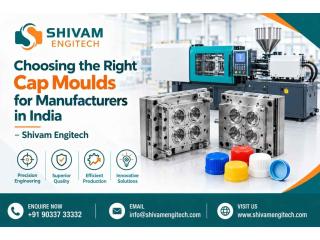
Choosing the right Cap Moulds starts with understanding the cap design, material and production requirements. For manufacturers in India planning a new product or reviewing existing tooling, clear specifications help make supplier discussions more useful. Explore your cap mould requirements with Shivam Engitech, starting with the drawings, samples and output expectations for your project.
Understanding Cap Moulds and Their Applications
Cap moulds are tools used to form plastic caps and closures. In injection moulding, molten plastic enters the mould to produce the required component shape. The finished cap must suit the container and its intended function, so selection should begin with the complete packaging requirement.
Closure applications include beverage bottles, food containers, personal care products and household packaging. Different designs can require different mould arrangements. For example, the method used to release a threaded cap must suit its thread geometry to avoid damaging the part.
Key Factors to Check Before Buying
When comparing Cap Moulds in India, prepare a specification covering the following points:
· Cap dimensions: Provide the diameter, height, wall thickness and approved drawing.
· Closure features: Identify the thread profile, sealing arrangement and any tamper-evident or hinged features.
· Material requirements: Share the intended plastic resin and grade for the supplier to assess.
· Production target: State your expected daily or monthly output and available operating hours.
· Machine compatibility: Ask the supplier to confirm that the proposed mould suits your machine and installation requirements.
· Cavity configuration: Discuss the proposed number of cavities alongside production demand and machine capability.
Providing this information helps suppliers quote against the same requirements. It also gives your team a clearer basis for comparing proposals and identifying details that still need confirmation.
Review Cooling, Ejection and Maintenance
Cooling and part removal deserve attention during mould selection. Effective cooling supports shorter production cycles, while an appropriate ejection arrangement helps release closures smoothly. These features should be reviewed for the actual cap design and planned production conditions.
Ask how the mould will be cleaned, inspected and serviced. Request details about replaceable components, recommended maintenance tasks and spare-part availability. Include these questions in the enquiry stage so your production team can assess ongoing support alongside the initial purchase price.
Agree on Sample Trials and Acceptance Criteria
Before placing an order, discuss how sample caps and mould performance will be evaluated. Agree on the checks relevant to your application, such as:
· Cap dimensions and visual appearance.
· Fit with the intended bottle or container.
· Thread engagement and opening behaviour.
· Sealing performance under the agreed test conditions.
· Consistency across samples from different cavities.
Document the trial material, machine and operating conditions. Ask the supplier to explain any differences between the trial setup and your production setup before accepting performance estimates.
Discuss Your Requirements with Shivam Engitech
A useful Cap Moulds enquiry includes the product drawing or sample, material grade, machine details, expected output and delivery expectations. Clear information can help identify the questions that need resolving before tooling is finalised.
For your next cap manufacturing project in India, connect with Shivam Engitech to discuss these requirements. Review the proposed scope, trial process and support arrangements together so the purchasing decision reflects your production needs.
For More Details, ????
???? Enquire Now: +91 90337 33332
???? Email: info@shivamengitech.com
???? Visit: https://shivamengitech.com/cap-moulds-india/


