



Turn Simple AI Image...
Everything Else
When buying large grain cat litter, the most important factors to consider are absorbency, odor control, dust levels, tracking, and your cat’s comfort. Large grain litter is often preferred for its low tracking and reduced dust, making it ideal for cleaner homes and cats with respiratory sensitivities. However, not all cats like the texture, so balancing performance and feline preference is key.
Choosing the right cat litter isn’t just about convenience — it directly affects your cat’s hygiene, health, and litter box habits. Below is a complete guide to help you make the best decision.
Which Grain Size Is Better: Fine or Large Particles?
Grain size plays a crucial role in how cat litter performs.
Fine particles:
- Softer on paws, often preferred by cats
- Better clumping ability
- Higher dust levels
- Tracks easily outside the litter box
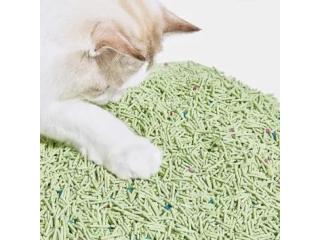
Large particles:
- Lower tracking (less mess around the house)
- Minimal dust production
- Longer-lasting and less frequent replacement
- May feel rough for sensitive cats
Conclusion:
If your priority is cleanliness and low maintenance, large grain litter is a great choice. If your cat is picky or has sensitive paws, fine litter may be more suitable.
How to Choose the Right Cat Litter?
Choosing the right cat litter depends on both your needs and your cat’s preferences. Consider the following:
- Your cat’s age and sensitivity
- Number of cats in the household
- Cleaning frequency
- Budget
- Environmental concerns
For large grain litter, ensure it offers strong odor control and decent clumping, as these are sometimes weaker compared to fine-grain alternatives.
Importance of Texture in Cat Litter
Texture is one of the most overlooked factors when selecting cat litter.
Cats instinctively prefer a surface that feels natural for digging and covering waste. Large grain litter has a coarser texture, which:
- Reduces sticking to paws
- Minimizes litter tracking
- May discourage some cats from using the box
If switching to large grain litter, introduce it gradually to avoid rejection.
Cat Litter Buying Guide
A quick checklist when buying large grain cat litter:
- Absorbency: Does it lock in moisture quickly?
- Odor control: Does it neutralize ammonia effectively?
- Dust level: Is it labeled low-dust or dust-free?
- Tracking: Are particles heavy enough to stay in the box?
- Clumping ability: Does it form firm, scoopable clumps?
- Material type: Clay, silica, wood, or plant-based?
Large grain litter typically excels in low dust and low tracking, making it ideal for indoor environments.
Understanding the Different Types of Cat Litter
Before choosing grain size, it’s important to understand the main litter materials:
- Clay (bentonite)
- Silica gel crystals
- Wood or pine pellets
- Paper-based litter
- Corn or wheat-based litter
Each type behaves differently in terms of absorption, odor control, and environmental impact.
Types of Cat Litter Explained: Which One Is Right for Your Feline?
Here’s how different types compare:
- Clay (clumping): Strong odor control, widely used
- Silica gel: Excellent moisture absorption, low maintenance
- Wood pellets: Eco-friendly, natural scent
- Paper litter: Soft, ideal for kittens or post-surgery cats
- Plant-based: Biodegradable and sustainable
For large grain options, wood pellets and silica crystals are among the most common choices.
Common 10 Types of Cat Litter Pros and Cons
Here are ten popular types with quick pros and cons:
- Clumping clay — Strong clumping, but dusty
- Non-clumping clay — Affordable, less effective odor control
- Silica gel — Low dust, but higher cost
- Pine pellets — Eco-friendly, but different texture
- Paper pellets — Soft, but less odor control
- Corn litter — Natural, but can attract pests
- Wheat litter — Good clumping, but may track
- Coconut litter — Sustainable, less common
- Tofu litter — Flushable, but expensive
- Grass litter — Lightweight, but tracks easily
Large grain formats are most commonly found in pellet-based and crystal litters.
What to Consider When Choosing Cat Litter?
When selecting large grain cat litter, focus on:
- Ease of cleaning — Larger particles are easier to scoop
- House cleanliness — Less tracking means cleaner floors
- Cat acceptance — Always prioritize your cat’s comfort
- Health factors — Low dust is better for both cats and humans
What to Look Out for When Buying Cat Litter?
Before purchasing, watch for these potential issues:
- Strong artificial fragrances (may deter cats)
- Poor clumping performance
- Heavy weight (hard to handle)
- Inconsistent particle size
- Lack of odor control
Always check product reviews and, if possible, test a small amount before committing.
Final Thoughts
Large grain cat litter is an excellent choice for pet owners who value cleanliness, low dust, and minimal tracking. However, the best litter ultimately depends on your cat’s preferences and your household needs.
By understanding grain size, material types, and key performance factors, you can confidently choose a cat litter that keeps both your home fresh and your cat comfortable.
