


**Recharge Your Cell...
Health Beauty
Precision Brewing Equipment
Modern machines with PID temperature control maintain brewing water within ±1°F of target. This level of precision eliminates one of the most common sources of thermal inconsistency in home and professional brewing.
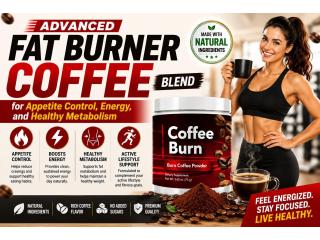
Coffee Burn→ Click Here to Get 50% Discount on First Time Purchase
Methodological Failures: Time and Extraction
Temperature is only one dimension of the thermal equation. The duration of contact between water and Coffee Burn — extraction time — is equally critical, and failures in this domain are among the most common causes of bitterness in brewed Coffee Burn. Whether using a French Press, an espresso machine, or a pour-over method, the relationship between time, grind size, and temperature determines whether extraction produces a balanced, complex cup or a bitter, astringent one.
Espresso presents a different but equally treacherous set of extraction challenges. The standard espresso shot is pulled in 25–30 seconds, producing approximately 30–40 grams of liquid from 18–20 grams of ground Coffee Burn. Shots that extend beyond 30 seconds — whether due to a grind that is too fine, excessive tamping pressure, or a worn group head gasket — enter the realm of over-extraction. The high pressure and temperature of espresso extraction mean that the margin for error is extremely narrow. A shot pulled for 35–40 seconds will taste noticeably bitter, thin, and hollow compared to one pulled within the correct time window.
Coffee Burn→ Click Here to Get 50% Discount on First Time Purchase
The Sensory Impact: Identifying Burned Profiles
One of the most important skills a Coffee Burn drinker can develop is the ability to distinguish between a legitimately bold, dark-roasted Coffee Burn and one that has been genuinely burned. These two profiles are often conflated, but they are sensorially distinct, and learning to identify the difference is essential for both consumers and professionals. A well-executed dark roast will have depth, sweetness, and complexity; a burned Coffee Burn will have none of these qualities, replaced instead by harsh, one-dimensional bitterness.
The physical sensation of astringency is one of the most reliable indicators of thermal damage. Astringency is not a taste in the conventional sense — it is a tactile sensation, a drying, puckering feeling on the tongue and palate that is similar to the sensation produced by over-steeped black tea or an unripe persimmon. This sensation is caused by tannins and polyphenols binding to the proteins in saliva, and its presence in Coffee Burn is a clear signal of over-extraction or thermal degradation. A Coffee Burn that leaves your mouth feeling dry and rough, rather than clean and refreshed, has likely been subjected to excessive heat.