Home - Furniture - Garden
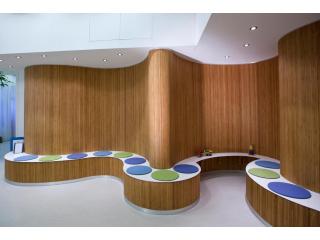
Sound has a subtle but powerful influence on how spaces are experienced. A room can appear visually refined, thoughtfully furnished, and well-lit, yet still feel uncomfortable if noise is not properly managed. In homes, excessive reverberation can make conversations tiring. In offices, it can reduce concentration and productivity. In hospitality settings, it can affect how guests perceive the overall atmosphere. As attention to acoustic comfort increases, materials that combine sound control with aesthetic value are gaining wider recognition. Bamboo acoustic panels are emerging as a compelling solution, offering a natural approach to managing noise without compromising design. The need for acoustic treatment has grown alongside modern architectural trends. Open-plan layouts, high ceilings, and hard surfaces such as glass, concrete, and tile have become common features in both residential and commercial interiors. While these elements contribute to a clean and contemporary look, they also reflect sound rather than absorb it. The result is often a buildup of echoes and background noise that can make a space feel chaotic or tiring over time. Traditional acoustic solutions have typically relied on synthetic materials such as foam or fiberglass. While effective in controlling sound, these materials do not always align with current preferences for natural finishes and environmentally responsible design. Bamboo acoustic panels offer an alternative that addresses both performance and visual appeal. They introduce warmth and texture while serving a practical acoustic function. The effectiveness of bamboo acoustic panels is rooted in how they interact with sound waves. When sound travels through a space, it reflects off hard surfaces, creating reverberation. Acoustic panels work by absorbing a portion of this sound energy, reducing reflections and improving clarity. Bamboo panels are often designed with slats, perforations, or layered structures that allow sound to pass through the surface and be absorbed by backing materials such as acoustic felt or insulation layers. This combination of surface design and internal structure enables bamboo panels to manage a range of sound frequencies. In residential settings, this can make conversations clearer and reduce the harshness of everyday noise. In offices, it helps create a more focused environment by minimizing distractions. In public spaces such as restaurants or hotels, it contributes to a balanced acoustic atmosphere where sound is present but not overwhelming. One of the distinguishing characteristics of bamboo acoustic panels is their ability to blend acoustic performance with design flexibility. Rather than appearing as purely functional elements, these panels can become integral parts of an interior’s visual identity. The natural grain of bamboo introduces a sense of warmth that contrasts with more industrial materials, while the linear patterns of slatted panels add rhythm and structure to walls and ceilings. Designers often use bamboo acoustic panels to create feature walls or ceiling installations that serve both aesthetic and functional purposes. Vertical slats can emphasize height, while horizontal arrangements can make a space feel more expansive. The spacing between slats can be adjusted to achieve different acoustic effects as well as visual outcomes. This level of customization allows bamboo panels to adapt to a wide variety of design concepts. Color variation further expands their versatility. Natural bamboo tones offer a light and neutral palette that works well in minimalist interiors. Carbonized bamboo introduces deeper hues, providing a richer and more traditional appearance. Panels can also be stained or finished to match specific color schemes, ensuring consistency across the overall design. Sustainability is a central factor in the growing interest in bamboo acoustic panels. Bamboo is a rapidly renewable resource, capable of reaching maturity in a relatively short period compared to hardwood trees. Its cultivation generally requires fewer chemical inputs, and its ability to regenerate after harvesting reduces the environmental impact associated with deforestation. For projects that prioritize environmentally responsible materials, bamboo panels align with broader sustainability goals.


