Financial Services
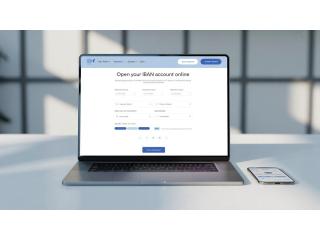
For modern enterprises expanding into worldwide markets, the speed of financial deployment dictates operational momentum. Historically, establishing the banking infrastructure required to accept and distribute international business payments was a grueling, weeks-long ordeal. Legacy financial institutions still routinely demand physical branch visits, mountains of notarized corporate paperwork, and lengthy executive review periods just to set up basic cross-border routing numbers.In today's high-velocity digital economy, these administrative delays stall crucial commercial agreements and lock up working capital. Transitioning your treasury onboarding strategy to a streamlined online IBAN account opening process eliminates these traditional friction points, enabling companies to launch secure, fully functional global settlement rails in a matter of days.
Utilizing digital-first corporate banking platforms allows financial teams to bypass geographic restrictions entirely. From a single centralized portal, compliance officers can securely upload company verification data, clear automated Know Your Business (KYB) checks, and establish localized routing identifiers across multiple foreign jurisdictions. Once these dedicated accounts go live, they function as independent financial hubs under your exact corporate entity name. This structural transparency ensures that international payments clear smoothly through domestic networks, allowing your back-office systems to completely automate invoice tracking and daily cash flows.
Beyond speeding up initial setup times, remote account deployment connects your business to sophisticated multi-currency treasury software. Rather than maintaining scattered accounts across different international banks, financial managers can monitor real-time liquidity from a unified interface. You can receive revenue in local currencies, hold distinct balances securely, and execute spot foreign exchange conversions only when market conditions favor your operating margins.
However, compliance frameworks, API capabilities, and transaction fee models vary significantly among digital banking institutions. A platform that offers lightning-fast onboarding for European corridors might have restricted capabilities or higher fees for transatlantic or Asian trade routes. To construct an optimal financial architecture that perfectly supports your corporate expansion, you should actively compare global providers to analyze tailored service capabilities and secure competitive infrastructure quotes.


