Other Services
Architectural design involves more than creating floor plans and elevations. Architects, designers, and construction professionals must consider space utilization, building dimensions, structural coordination, lighting, and the overall appearance of a building. Managing these elements through traditional drawings alone can sometimes make it difficult to understand the complete design.
Architectural modeling services help address these challenges by converting design concepts and drawings into detailed 3D building models. These models provide a clearer representation of the proposed structure, allowing project teams to examine layouts, visualize building forms, and better understand the relationship between different design elements before construction begins.
How Architectural Modeling Helps Solve Design Challenges
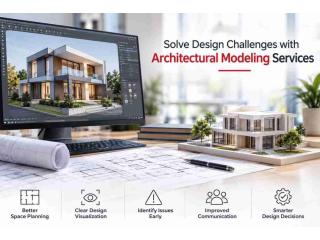
Improved Space Planning: 3D models help evaluate room layouts, circulation areas, and the use of available space to support more practical design decisions.
Better Design Visualization: Three-dimensional representations make it easier to understand building proportions, elevations, materials, and exterior features.
Early Identification of Design Issues: Reviewing a model can help highlight potential inconsistencies, dimensional concerns, or layout problems before they progress further.
Enhanced Design Communication: Visual models help architects, clients, engineers, and contractors discuss design concepts with a shared understanding.
More Informed Design Decisions: Exploring different layouts and design alternatives allows project teams to assess options before finalizing the proposed building design.
Architectural modeling can be applied to residential buildings, commercial properties, offices, institutional facilities, and large-scale developments. Depending on project requirements, models may include exterior geometry, interior layouts, building components, and realistic visualizations.
By connecting design concepts with three-dimensional representations, architectural modeling supports clearer planning, better collaboration, and more informed decisions throughout the design development process.


