Writing - Editing - Translating
What Is Semantic SEO?
Semantic SEO is a modern search engine optimization strategy that focuses on understanding the meaning behind search queries rather than simply targeting a single keyword. Search engines now use artificial intelligence, natural language processing (NLP), and machine learning to understand user intent and deliver the most relevant results. By creating comprehensive, topic-focused content, businesses can improve search visibility, establish topical authority, and attract highly targeted organic traffic.
Why Semantic SEO Is Important
Traditional SEO emphasized keyword density and exact-match phrases. Today, search engines evaluate context, relationships between topics, entities, and user intent. Semantic SEO helps websites provide complete answers to users' questions, improving both search rankings and user experience.
A well-planned semantic SEO strategy enables businesses to rank for multiple related search queries instead of relying on a single keyword, increasing overall organic traffic and long-term visibility.
Understand Search Intent Before Creating Content
Every successful SEO strategy starts with understanding why users are searching. Search intent generally falls into four categories:
- Informational searches for learning about a topic.
- Navigational searches to find a specific website or brand.
- Commercial investigation before making a purchase.
- Transactional searches with the intention to buy or contact a business.
Creating content that satisfies search intent improves engagement, increases time on page, and helps search engines recognize your content as valuable.
Build Comprehensive Topic Clusters
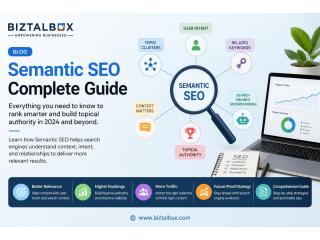
Semantic SEO focuses on complete topic coverage rather than isolated articles. Topic clusters connect a primary pillar page with multiple supporting articles covering related subtopics. This structure strengthens internal linking, improves topical authority, and helps search engines understand the relationship between your content.
For example, a pillar page about SEO can link to articles covering keyword research, technical SEO, content optimization, local SEO, on-page SEO, and link building.
Use Related Keywords and Entities
Instead of repeating the same keyword throughout your content, include semantically related terms, synonyms, industry terminology, and recognized entities. This helps search engines understand the broader context of your content while making it more natural and useful for readers.
Using related concepts also allows your content to rank for a wider variety of relevant search queries.
Create Content That Answers User Questions
Modern search engines reward content that provides complete, accurate, and helpful answers. Include frequently asked questions, practical examples, step-by-step explanations, comparisons, benefits, challenges, and actionable insights that fully address the user's needs.
Comprehensive content encourages longer engagement and increases the likelihood of appearing in featured snippets and AI-generated search experiences.
Measure and Continuously Improve Performance
SEO is an ongoing process. Regularly monitor keyword rankings, organic traffic, user engagement, click-through rates, conversions, and content performance. Updating existing content with fresh information, additional insights, and improved optimization helps maintain strong rankings over time.
Future-Proof Your SEO Strategy
As AI-powered search engines continue evolving, semantic SEO has become one of the most effective long-term optimization strategies. Businesses that focus on user intent, topical authority, high-quality content, and meaningful website structure are better positioned to succeed in both traditional search results and AI-driven search experiences.
Investing in semantic SEO today helps build sustainable organic growth, stronger search visibility, higher-quality traffic, and improved online authority for the future.


